What happens if you only pay the minimum

A minimum payment is usually a small percent of the balance, so the payment shrinks as the balance shrinks and the debt lasts for years. This page shows the math on a labelled example and gives you a calculator for your own card.
We may earn a commission when you buy through links on this page, at no extra cost to you. That is how this site stays free to read. It does not change what we check or how we rank anything, and we say so plainly because this is money advice territory: we are an editorial team, not licensed financial advisors, and nothing here is advice for your specific situation.
Checked against Federal Trade Commission, Consumer Financial Protection Bureau, IdentityTheft.gov, AnnualCreditReport.com
How a minimum payment is set
Card agreements set the minimum as a rule, commonly a percent of the balance such as 2 percent, sometimes with a floor amount such as $25. Because the payment is a percent of a shrinking balance, the payment gets smaller each month. Interest is charged on the balance that remains, month after month, for as long as the balance stands.

A labelled example
Example, with round numbers labelled as an example: a $5,000 balance at 22 percent APR, paying a minimum of 2 percent of the balance each month with a $25 floor. On those terms the payment barely stays ahead of the interest, and the balance falls so slowly that the schedule runs for decades on a pure percent rule, with interest adding up to tens of thousands of dollars across the full schedule. Most card agreements soften the rule by adding the month's interest on top of the percent, or by setting a higher percent. Your statement carries a federally required minimum payment table with the figures for your exact card. Your own card's rule is printed in your card agreement and on your statement. Put your real figures into the minimum payment calculator and it will show your months and interest.
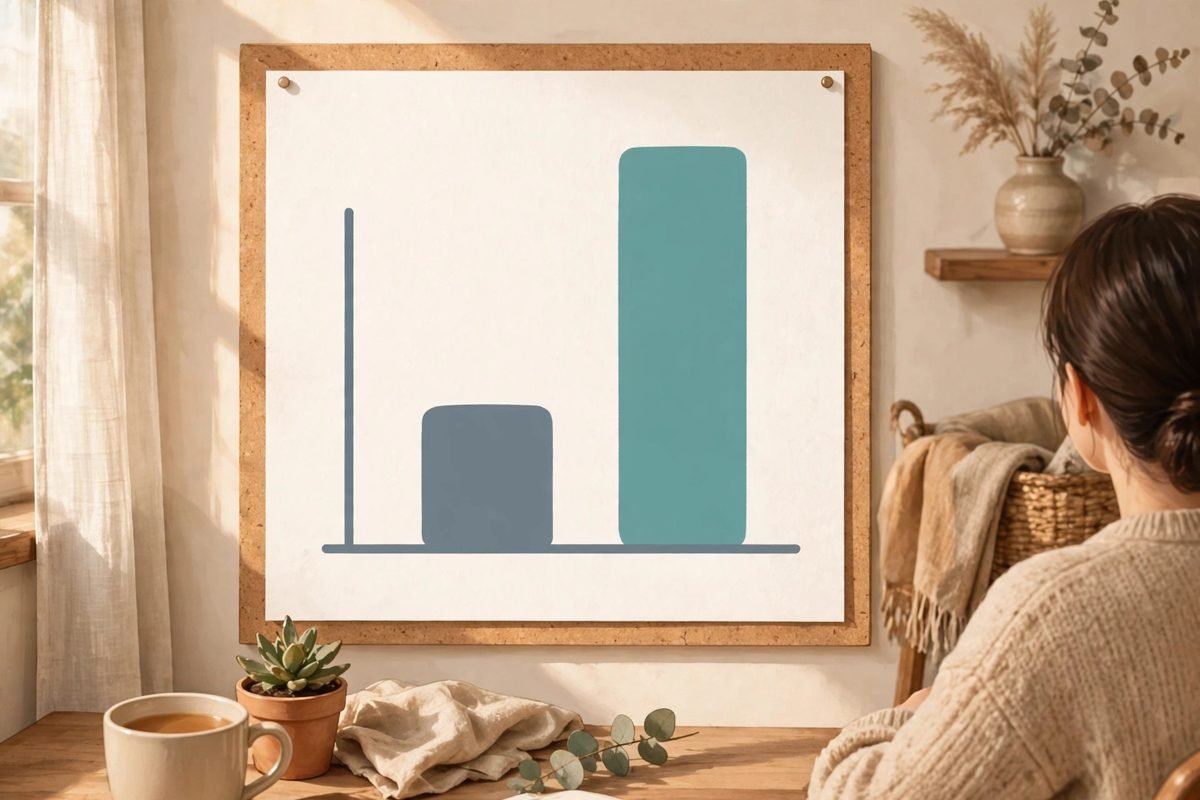
Why the balance moves so slowly
In the first month of the example, interest on $5,000 at 22 percent APR is about $92. A 2 percent payment on the balance after interest is about $102. Only about $10 of that first payment lowers the balance. As the balance falls the interest charge falls too, which is why the debt does end, and why it takes so long to get there.
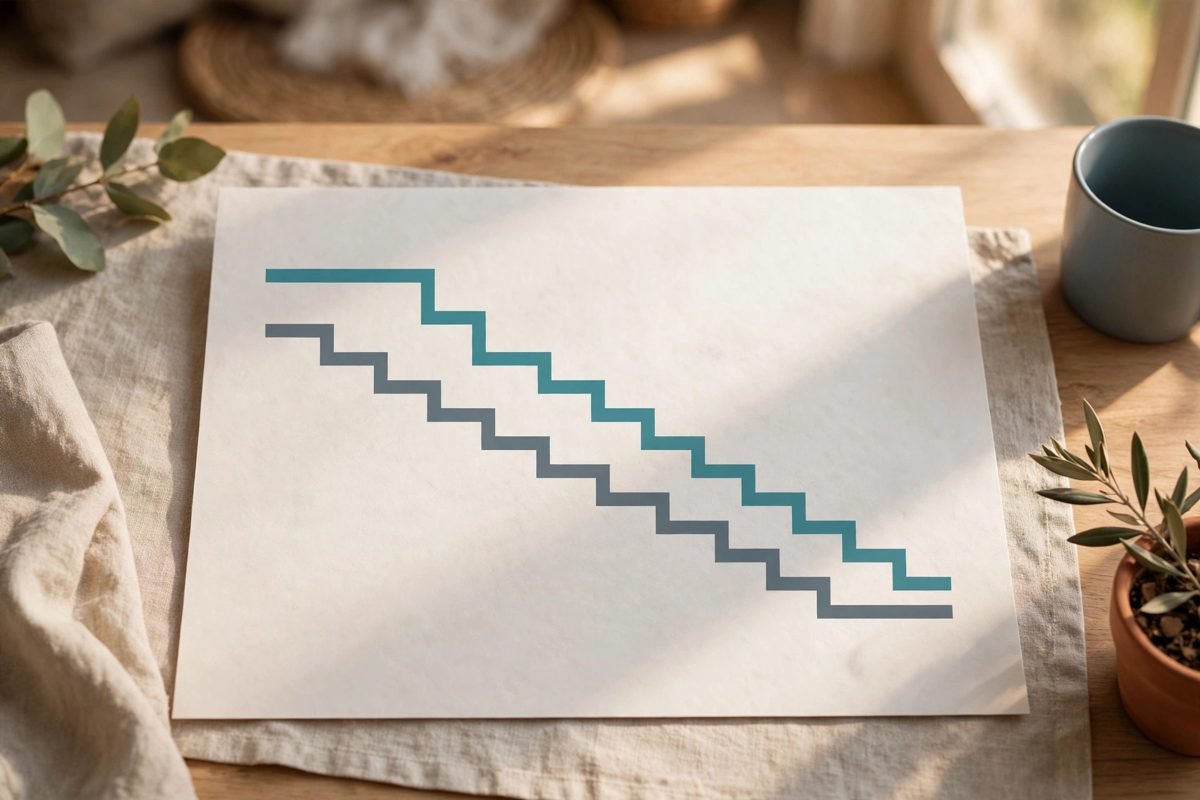
What paying a fixed amount does instead
A fixed payment does not shrink as the balance falls, so more of each payment reaches the balance every month. On the same $5,000 at 22 percent, a fixed $150 a month clears the balance in a fraction of the time and at a fraction of the interest. The debt payoff calculator shows fixed payment results across up to five debts, and our payoff plan guide shows how to find the extra money in a budget.

If the minimum is all you can pay right now
Paying the minimum on time still protects your payment history and avoids late fees, and that matters. Treat it as a holding position: cover the minimums, build the small starter fund, and aim the first extra dollars you find at the highest rate balance. A nonprofit credit counselor can review a tight budget free of sales pressure.
How we checked
We read the official pages for this topic, including Consumer Financial Protection Bureau credit card guidance, and checked this page on November 23, 2026. Prices and program rules change, so we check again in December 2026 and update the date on this page when we do. If you spot something that looks out of date, email us through the Contact page.
Questions readers ask
Where do I find my card's minimum rule?
In the cardholder agreement and in the minimum payment box on your statement. Statements also carry a federally required table showing how long the balance takes to clear paying only the minimum, and what paying it off in three years would cost each month.
Does paying the minimum hurt my credit?
Paying on time helps your payment history. A high balance relative to your limit raises utilization, which lenders view with care. The balance coming down is what improves that side of the picture.
My minimum has a floor amount. Why?
The floor keeps the payment from shrinking to a few cents at small balances, so the last part of the debt clears at a steady pace.