Credit utilization explained

Try the utilization calculator
Credit utilization is the share of your card limits that your balances use. This page shows the formula, works an example with round numbers, and explains what paying a balance down changes, without promising anything about a score.
We may earn a commission when you buy through links on this page, at no extra cost to you. That is how this site stays free to read. It does not change what we check or how we rank anything, and we say so plainly because this is money advice territory: we are an editorial team, not licensed financial advisors, and nothing here is advice for your specific situation.
Checked against Federal Trade Commission, Consumer Financial Protection Bureau, IdentityTheft.gov, AnnualCreditReport.com
The formula
Utilization is a simple ratio. Add up your card balances, add up your card limits, and divide the balances by the limits. The result is usually written as a percentage. Lenders and scoring models look at the overall ratio and at the ratio on each card on its own, so one card near its limit can stand out even when the overall figure looks modest.
A worked example, labelled as an example
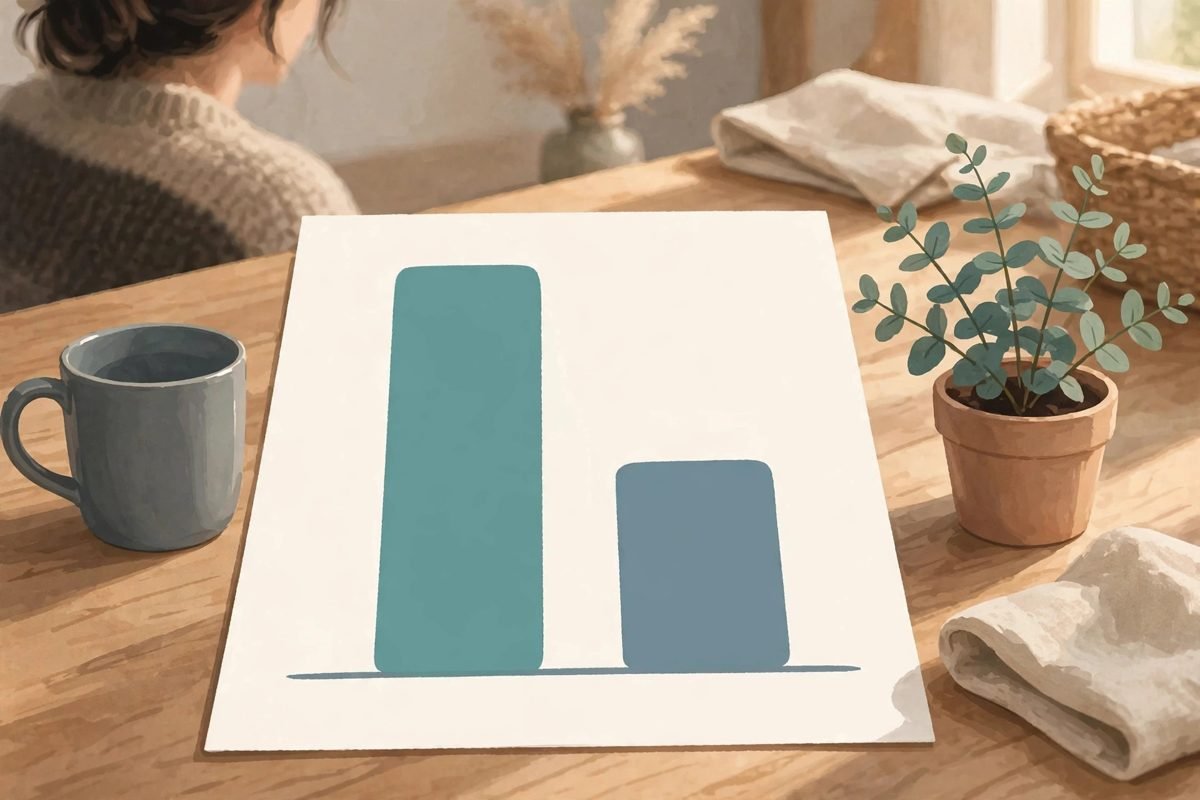
Example: two cards. Card A has a balance of $1,500 and a limit of $5,000, so its own ratio is 30 percent. Card B has a balance of $500 and a limit of $5,000, so its ratio is 10 percent. Together the balances are $2,000 and the limits are $10,000, so the overall ratio is 20 percent. These are round numbers chosen to show the math, and the same steps work with your own figures in our utilization calculator.
When the ratio is measured
Card companies usually report your balance to the bureaus around the statement closing date, which can be weeks before your payment due date. A balance can therefore show as high on a report even when you pay in full each month, because the reported figure is the statement balance. Paying before the closing date lowers the balance that gets reported for that cycle.

Paying a balance down
Paying down a card lowers its balance, and the ratio follows when the new balance is reported. Which card to pay first is a debt payoff question as much as a utilization question: the highest rate card costs the most each month it stands. Our snowball vs avalanche guide compares the two common payoff orders, and the payoff calculator runs your own numbers.

What this page cannot tell you
No page can tell you what a change in utilization will do to your credit score. Scores weigh many factors, models differ, and the same change lands differently on different files. What the math can tell you is the ratio itself, and that is the figure this page and the calculator stick to.
How we checked
We read the official pages for this topic, including Consumer Financial Protection Bureau credit guidance, and checked this page on November 23, 2026. Prices and program rules change, so we check again in December 2026 and update the date on this page when we do. If you spot something that looks out of date, email us through the Contact page.
Questions readers ask
Is there a ratio I should aim for?
Guidance from the CFPB and the bureaus generally notes that lower utilization reads better to lenders, and using a smaller share of your limits is the direction that helps. There is no single magic number that fits every file, and this page does not set one.
Does utilization count my loans?
The ratio described here covers revolving credit, mainly cards. Loans are tracked in a report as installment accounts with their own balances and payment history.
If I pay a card off, when does the ratio update?
When the card company next reports the balance, usually at the following statement close. Reports update on the bureaus' cycles after that.